Introduction
In today's fast-paced world, efficient communication is the backbone of any successful business. Whether you're a small startup or a sprawling corporation, how you manage calls can significantly impact your operations. With the advent of technology, businesses now have two primary options for their telecommunication needs: VoIP (Voice over Internet Protocol) and traditional analog phone lines. Each has its own merits features of business phone systems and drawbacks, making it essential to evaluate their call management features carefully.
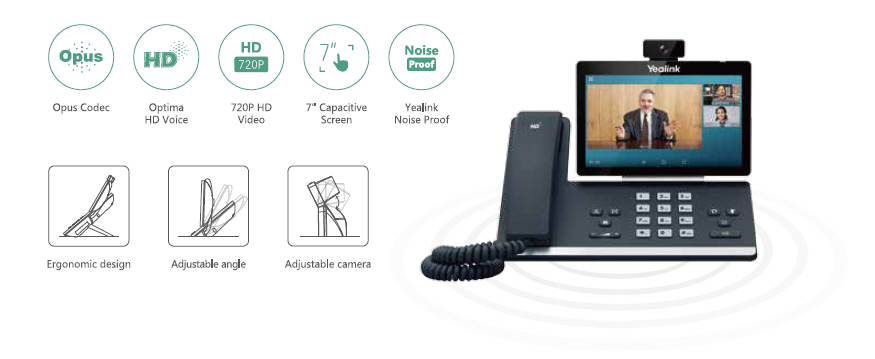
This article will delve deep into evaluating call management features in VoIP versus analog lines. We’ll explore the mechanics of both systems, weigh their advantages and disadvantages, and help you make an informed decision on which one best suits your needs. So grab a cup of coffee and let's get started!
What is VoIP Phone Service?
To kick things off, let’s clarify what exactly VoIP phone service entails. Simply put, it allows you to make voice calls using the internet instead of traditional telephone lines. This technology converts your voice into digital data packets that are transmitted over the internet.
How Does VoIP Work?
VoIP works by breaking down your voice into small data packets that travel over the internet to reach the recipient's device. Here’s a simplified breakdown:
Voice Conversion: When you speak into your VoIP phone, your voice is converted into digital data.
Data Transmission: These packets are then sent over the internet using various protocols to ensure they arrive efficiently.
Receiving Call: The receiving party's device decodes these packets back into audio so they can hear you.
Benefits of Using VoIP Phone Service
- Cost-Effective: Typically cheaper than traditional phone services—especially for long-distance calls. Flexibility: You can use it anywhere as long as you have an internet connection. Scalability: Easy to add users without needing additional hardware. Advanced Features: Offers features like video conferencing, voicemail-to-email, and call analytics.
Understanding Analog Phone Lines
Analog phone lines are the traditional method of telecommunication that uses copper wires to transmit sound waves directly from one point to another.
How Do Analog Lines Work?
Analog technology functions by converting sound waves directly into electrical signals transmitted through a physical network of wires.
Advantages of Analog Lines
- Simplicity: Straightforward installation with minimal technical setup required. Reliability: Less dependent on power; even during outages, analog lines can still function. Quality Sound: Generally provides good audio quality under normal conditions.
Evaluating Call Management Features in VoIP versus Analog Lines
So let’s dive deeper into evaluating call management features in VoIP versus analog lines. Both systems have unique features that cater to different business needs:
Call Routing and Forwarding
1. VoIP Advantages
- Intelligent call routing based on real-time analytics. Forwarding calls seamlessly to mobile devices or other offices regardless of location.
2. Analog Line Limitations
- Basic forwarding options without sophisticated routing capabilities. Limited flexibility when handling multiple incoming calls.
Call Monitoring Tools
1. VoIP Monitoring
- Real-time monitoring tools that provide insights into call quality and performance metrics. Ability to record calls for training or compliance purposes easily.
2. Analog Limitations
- Minimal monitoring capabilities with no integrated analytics tools. Difficulties in tracking call performance metrics effectively.
Voicemail Features
1. VoIP Innovations
- Advanced voicemail-to-email functionalities that allow users to receive messages in their inboxes. Visual voicemail options for easy message sorting and accessibility.
2. Analog Systems
- Traditional voicemail services without modern enhancements like transcription or remote access via email.
Comparative Analysis Table: VoIP vs. Analog Lines
| Feature | VoIP Phone Service | Analog Phone Lines | |-----------------------------|--------------------------------------|-------------------------------------| | Call Quality | High-quality sound with bandwidth | Good but susceptible to interference | | Cost | Lower operational costs | Higher long-distance charges | | Flexibility | Accessible from anywhere | Limited to fixed locations | | Scalability | Easily adjustable as needs grow | Complex installation for new lines | | Advanced Features | Video conferencing, call analytics | Basic functionality only | | Dependency | Requires stable internet connection | Works independently of internet |
Features Unique to VoIP Phone Service
When evaluating call management features specifically related to VoIP phone service, several stand out:
Unified Communication Tools
VoIP often integrates with other communication tools such as chat applications and video conferencing platforms seamlessly.
Customer Relationship Management (CRM) Integration
Many VoIP services allow integration with CRM software which streamlines customer interactions by storing detailed records of calls and customer interactions within one platform.
Mobile Applications
Most modern VoIP providers offer mobile apps enabling employees to take their office numbers on-the-go—ensuring constant connectivity even outside traditional office environments.
Challenges Associated with VoIP Implementation
While we’re all singing praises about this technology, it’s also essential to consider challenges:
1. Dependence on Internet Connectivity
VoIP requires robust internet service; poor connectivity can lead to dropped calls or degraded audio quality.
2. Security Concerns
Being connected through the internet raises security vulnerabilities such as hacking attempts or eavesdropping unless proper encryption measures are implemented.
Why Some Businesses Stick with Analog Lines?
Despite the clear advantages offered by modern technologies like VoIP phone service, some businesses maintain their commitment to analog systems due to:
1. Familiarity
Many people—especially older generations—are more comfortable using traditional systems they have known throughout their professional lives.
2. Reliability During Emergencies
For some industries where consistent communication is crucial (like healthcare), having an established method like analog lines remains appealing due largely due reliability during emergencies when power may fail but landlines stay functional.
FAQs about Evaluating Call Management Features in VO-IP versus Analog Lines
FAQ 1: What’s better for my business—VoIP or analog?
The answer depends on your specific business needs; if cost-effectiveness and advanced features matter most, go with VoIP! However if reliability during power outages is critical for Business Phone Service your operations then analog might serve better for certain scenarios!
FAQ 2: Can I keep my existing number if I switch to VoIP?
Yes! Most providers offer number porting services allowing you seamless transitions between systems while retaining existing contacts' numbers!
FAQ 3: Are there hidden costs associated with switching?
Switching comes along with potential upfront costs related installation/setup fees; however ongoing operational savings usually outweigh these initial expenses significantly!
FAQ 4: Is it possible to integrate my existing CRM with a new system?
Absolutely! Many modern VoIPs enable integrations ensuring smooth transitions while preserving valuable customer relationship records across platforms!
FAQ 5: How do I ensure security when using VoIP services?
Implementing strong passwords along with encryption methods helps protect against unauthorized access while ensuring safe communications occur consistently!
FAQ 6: What do I need for setting up a reliable home-office system?
A stable high-speed internet connection coupled together alongside decent hardware (headsets/phones) results in optimal setups maximizing productivity effectively!
Conclusion
When evaluating call management features in VO-IP versus analog lines, it becomes clear that each has its strengths and weaknesses tailored toward different business models and operational requirements. While many organizations are transitioning toward cutting-edge technologies like VoIP due largely due lower costs coupled alongside superior functionalities available today—there remain valid reasons why others stick firmly with tried-and-tested methods found within traditional approaches such as analog line usage too!
Ultimately assessing specific organizational goals alongside analyzing available solutions leads towards finding ideal pathways forward enhancing overall communication strategies moving ahead! Whether choosing innovative advancements presented through utilizing effective voip phone service options—or relying steadfastly upon established methods employed through classic infrastructures rooted deeply within industry standards—the choice lies squarely within each individual organization itself!